

Manual audits. Code-level fixes. Accessibility built into the foundation.
Nearly 50 million Americans live with sensory or physical challenges, and for many, navigating websites and digital applications remains unnecessarily difficult due to avoidable barriers. RIV evaluates your website against WCAG 2.2 AA, the technical standard most often referenced in ADA cases, identifying real accessibility issues that automated tools often miss and resolving them at the source.
Through expert manual audits and code-level remediation, we help you find and fix accessibility barriers, document the work clearly for you and your counsel, and make your website or app accessible to millions more Americans.
How We Support Your Accessibility Journey
A website accessibility audit is a comprehensive review of your digital experience to evaluate alignment with leading accessibility standards and legal requirements.

Americans with Disabilities Act (ADA)
U.S. civil rights law requiring equal access to digital services for individuals with disabilities.
Web Content Accessibility Guidelines (WCAG)
Standards for accessible web design, currently aligned with WCAG 2.1 AA and WCAG 2.2.
Section 508
U.S. federal accessibility standards for government agencies and contractors.
European Accessibility Act
(EAA)
European framework for digital accessibility, connected to EN 301 549 requirements.
RIV’s audits go beyond surface level testing to evaluate third party integrations, downloadable assets such as PDFs, multimedia content including video and audio, and complete user journeys to ensure accessibility is embedded across your entire digital ecosystem. We also support the ongoing accuracy of your Accessibility Conformance Reports (ACR) and Voluntary Product Accessibility Templates (VPAT), helping your documentation reflect the current compliance status of your platform. With RIV, accessibility becomes a structured, measurable, and sustainable process.
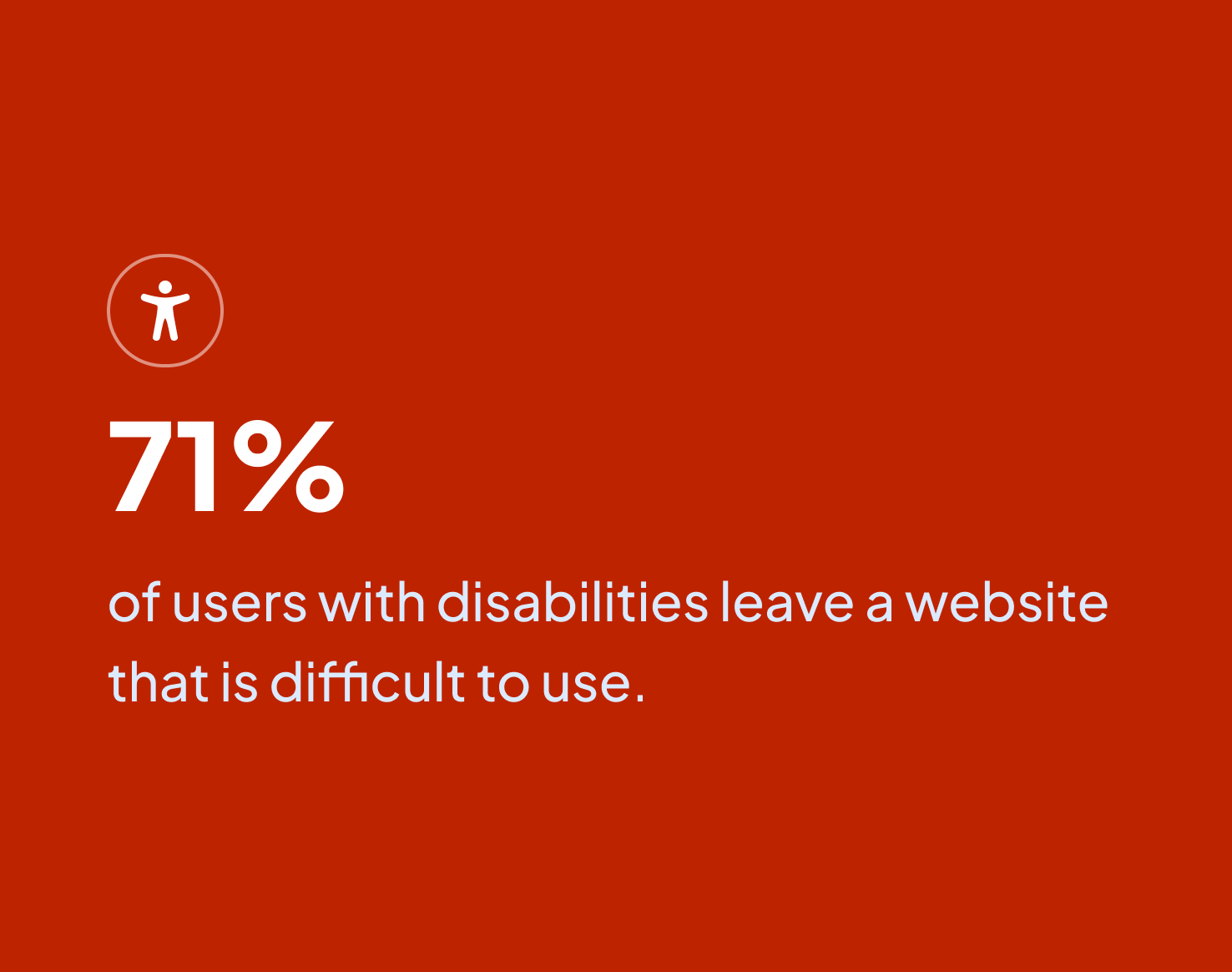
A credible accessibility audit cannot rely on automated tools alone. Automated testing typically identifies only 20–40% of WCAG issues. The remaining, and often more critical, barriers can only be uncovered through thorough manual evaluation.
Manual testing includes keyboard navigation checks, screen reader validation, focus management review, and real user interaction testing to ensure the experience truly works for everyone.
AMERICANS WITH DISABILITIES ACT (ADA)
The ADA and
Digital Accessibility
The Americans with Disabilities Act, passed in 1990, is a civil rights law that protects individuals with disabilities from discrimination in public life. It covers areas such as employment, transportation, education, and places of public accommodation.
While the ADA was written before the modern internet, courts and the U.S. Department of Justice have increasingly interpreted it to apply to websites and digital services that are open to the public. In practice, this means businesses are expected to ensure that people with vision, hearing, mobility, and cognitive impairments can access and use their digital platforms.
Accessibility requires intentional design, proper semantic structure, keyboard operability, screen reader compatibility, and ongoing maintenance. No platform guarantees accessibility without manual oversight and implementation.
At its core, accessibility is not just about legal compliance. It is good design, good business, and good ethics. It expands your reach, improves usability for all users, and strengthens your brand’s credibility.
Why Digital Accessibility Matters?
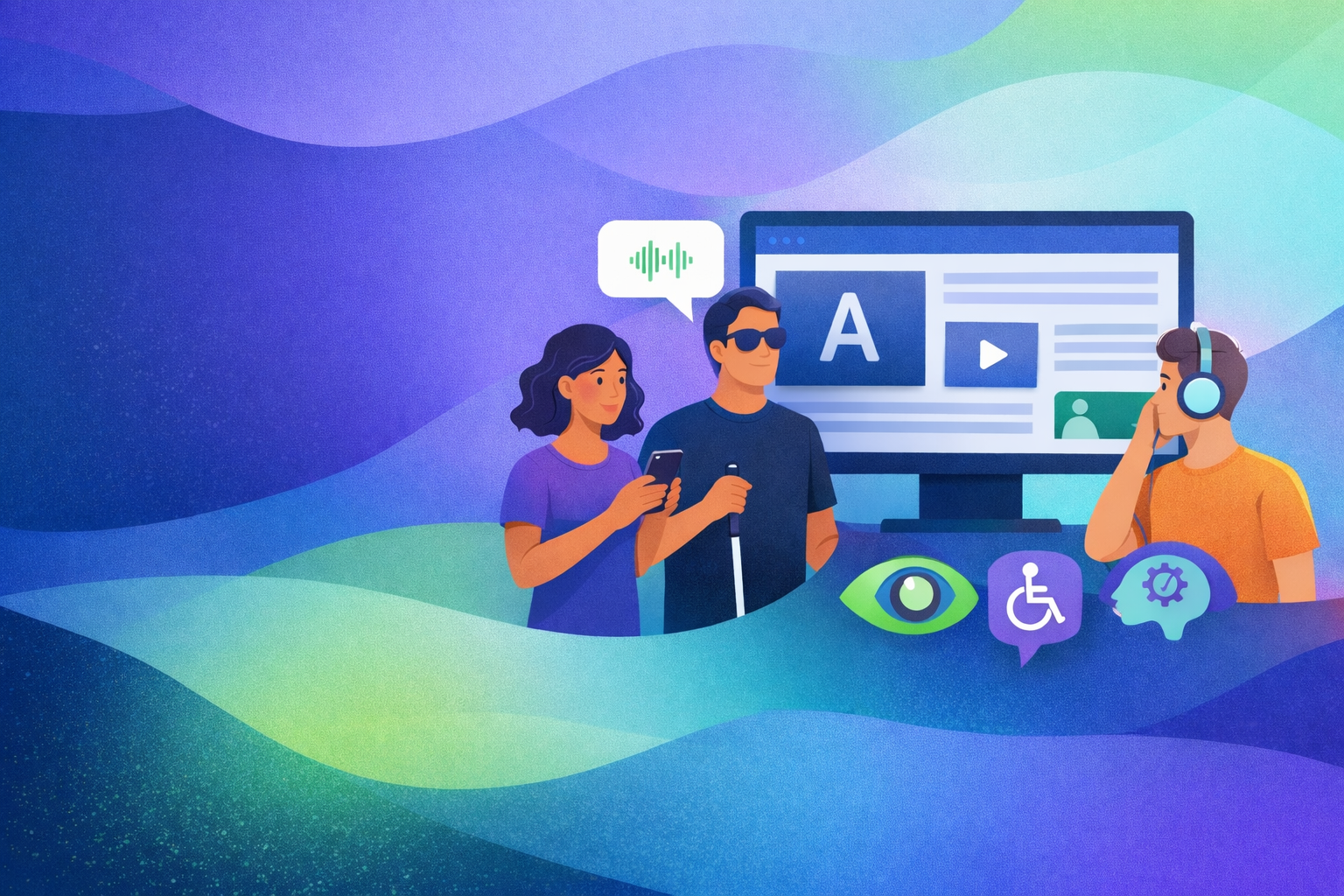
Public-facing business websites are expected to be accessible to people with disabilities. If your organization operates online, your digital experience should be usable by everyone, including individuals with visual, hearing, mobility, or cognitive impairments.
Digital accessibility means designing and developing websites, mobile applications, and online tools so all users can access the same information and complete the same tasks without barriers. It ensures equal access, not separate or limited experiences.
At RIV, we use the Web Content Accessibility Guidelines, commonly known as WCAG, as the technical framework for auditing and remediating digital properties. These standards are widely referenced in ADA-related cases and provide a measurable path toward stronger compliance, usability, and long-term accessibility.
Increased Reach
Accessible websites can be used by more people, including users who rely on screen readers, keyboard navigation, or voice input.
Improved Conversion
Clear structure, readable content, and predictable interactions help all users complete tasks more easily.
Stronger SEO
Many accessibility improvements align with how search engines understand content.
Who RIV Typically Works with

Government and Public Entities
SaaS and Product Teams
Higher Education Institutions
Healthcare Organizations
Ecommerce Platforms
RIV Accessibility Process
RIV’s accessibility process is built around a practical framework that helps organizations move from issue identification to sustained conformance.
1
Scope
We review your site structure, templates, and key user flows to define the accessibility testing scope and identify high risk areas.
2
Audit
We conduct automated scans and manual testing to identify accessibility barriers across your site.
3
Report
Findings are documented in a WCAG aligned report with issue descriptions, severity levels, and remediation guidance.
4
Remediate
Your team can resolve issues using the report, or RIV can support implementation and remediation directly.
5
Monitor
We help maintain accessibility through periodic re testing and ongoing monitoring as your site evolves.
Why Organizations Choose RIV
RIV combines accessibility expertise with practical digital execution. We do not treat accessibility as one-time scan. We approach it as part of building digital experiences that are respectful, usable, and sustainable.
Human-centered testing
We evaluate how websites actually work for people, not just how they score in a tool.
Actionable reporting
Our findings are clear, structured, and designed to support real implementation.
Technical and design awareness
We understand both code-level issues and user experience barriers.
Remediation guidance
Your team receives practical next steps, not just a list of errors.
Compliance focused process
Our work is grounded in WCAG-based review and structured documentation.
Long term support
We help organizations move from a single audit to a more sustainable accessibility practice.
What this means for your business:
More users can successfully navigate your site
Fewer drop-offs in key flows like checkout or forms
Better performance across devices and assistive technologies
Increased confidence from partners, clients, and procurement teams
The Rising Cost of Inaccessible Websites
3,948
Website accessibility lawsuits were filed in the United States last year alone. Courts increasingly treat websites as part of a company’s public services, meaning inaccessible digital experiences can quickly become legal cases.
10,000+
Estimated accessibility demand letters are sent to businesses each year. Most never become public lawsuits because companies often settle quickly to avoid litigation costs and reputational damage.
10×
Over the past decade, website accessibility lawsuits have increased more than tenfold. As digital services become essential for banking, education, and healthcare, expectations for digital accessibility continue to rise.
RIV helps organizations address these risks proactively through comprehensive accessibility audits that go far beyond surface level testing. Our evaluations examine third party integrations, downloadable assets such as PDFs, multimedia content including video and audio, and complete user journeys across your site or product.
Designing for Different Types of Disabilities
Accessibility is about ensuring equal access. At its core, it reflects the principles of universal design, creating digital experiences that work for everyone, not only people with disabilities.
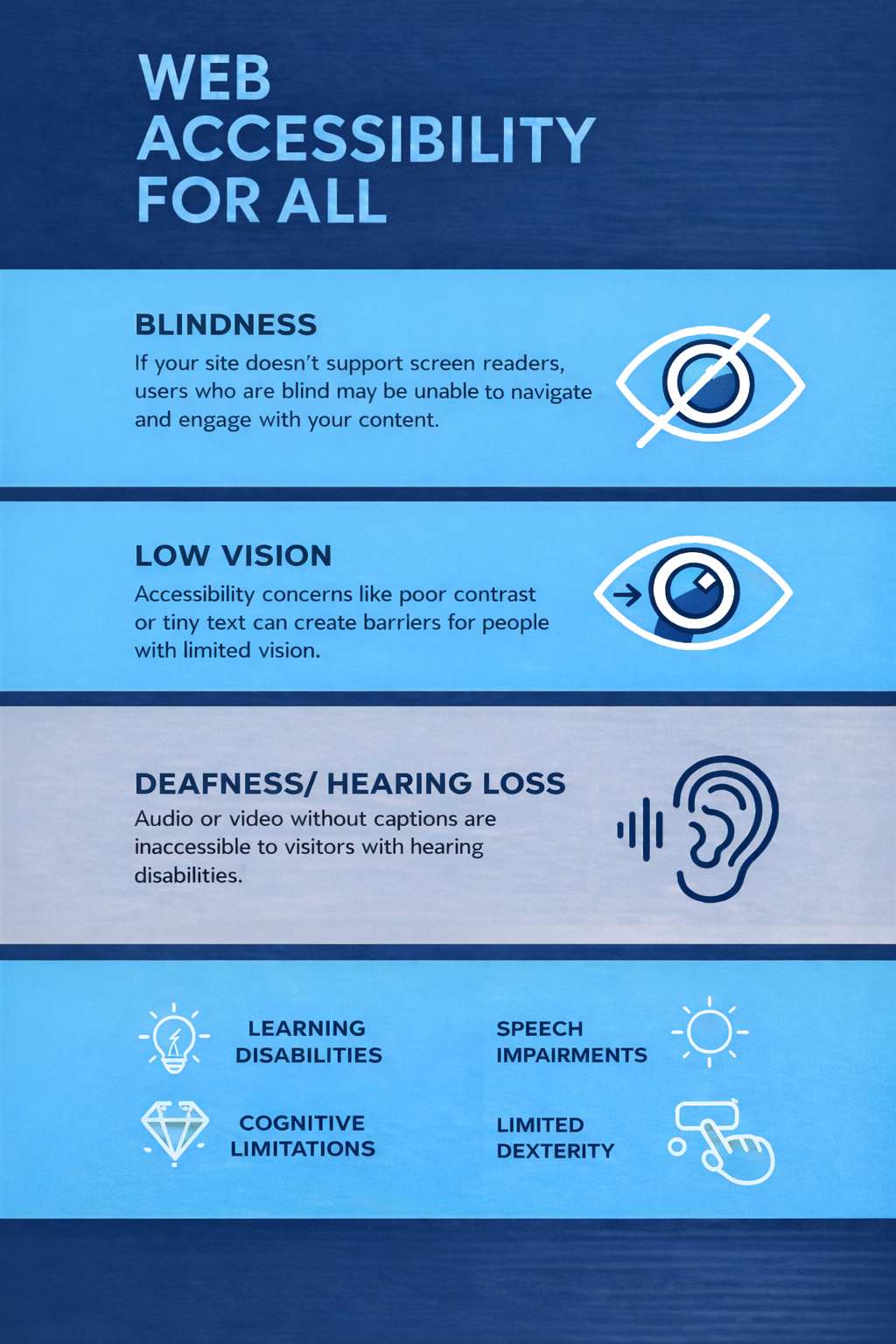
Roughly one in five Americans lives with a disability that impacts daily life, and digital technology plays a central role in how we work, learn, shop, and communicate. A website should function effectively for all users, regardless of physical, sensory, or cognitive differences.
This includes people who are blind or have low vision, individuals who are deaf or hard of hearing, users with learning disabilities, cognitive conditions, dexterity limitations, speech impairments, or sensitivity to flashing content. Accessibility ensures they can perceive content, navigate interfaces, and complete actions independently.
True accessibility removes barriers that prevent interaction. This means supporting assistive technologies such as screen readers, keyboard navigation, voice controls, and other adaptive tools. It also means designing with clear structure, logical flows, consistent navigation, and compatibility across devices and connection speeds.
Accessible design supports people with diverse abilities including visual, auditory, cognitive, and motor impairments. Accessibility audits help ensure these users can navigate, understand, and interact with digital content without barriers.
Accessibility Audit Experts
RIV’s team includes experienced accessibility professionals who work with organizations to implement complex fixes, strengthen compliance, and ensure seamless, standards-aligned digital experiences.
Start Your Accessibility Audit Today
Accessibility issues rarely appear in isolation. They often exist across design systems, content, code, third party tools, and downloadable assets. A structured accessibility audit helps identify risks before they become legal or usability problems.
RIV evaluates your digital experience against WCAG standards and provides clear documentation, actionable remediation guidance, and ongoing support when needed.
After struggling with accessibility issues and repeated user concerns, we worked with RIV to audit our platform and resolve major barriers. They were instrumental in identifying and fixing edge cases our team did not even know existed. Highly recommended if you want to strengthen ADA compliance for your business.